Potasyumlu Tuz Kullanımı Milyonlarca Ölümü Engelleyebilir
Potasyumla zenginleştirilmiş tuz kullanımı, dünya genelinde milyonlarca kalp ve böbrek hastalığı ölümünü engelleyebilir. Yeni araştırma, basit bir gıda değişikliğinin büyük sağlık etkilerini ortaya koyuyor.

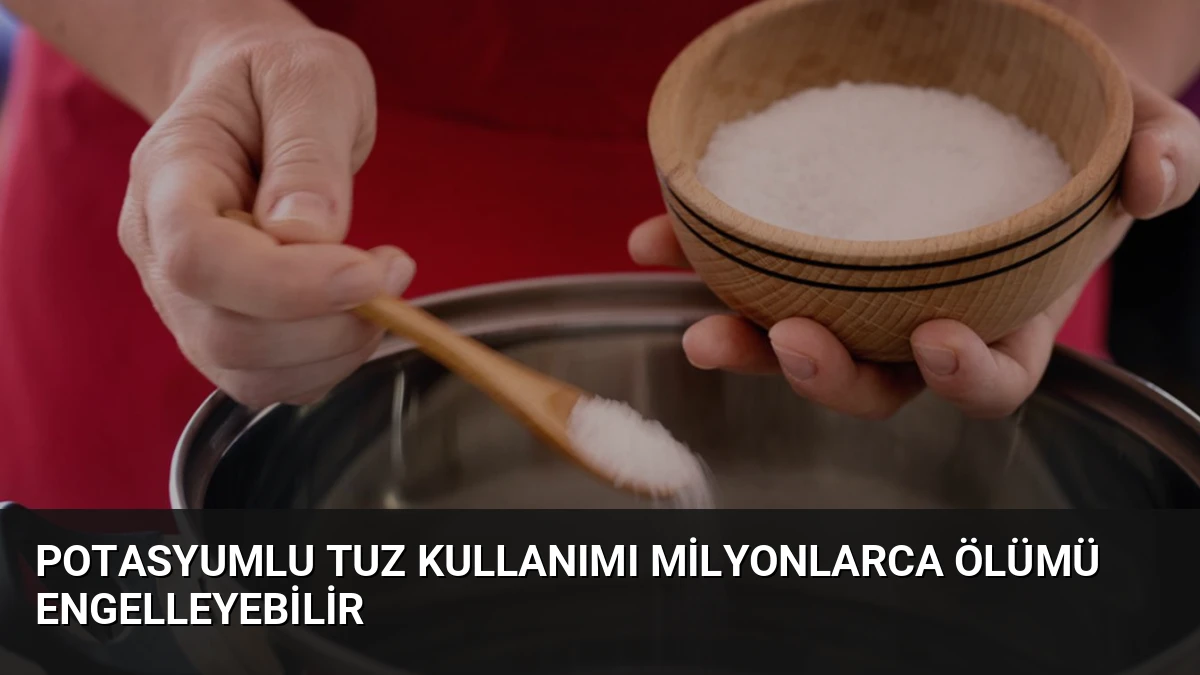
Daily salt intake can be reduced by replacing normal salt with potassium-enriched salt, potentially preventing millions of deaths annually from heart and kidney diseases, according to a new study published in Nature Health. This simple dietary change targets both sodium reduction and potassium increase, offering a comprehensive health benefit.
Global Health Impact of Salt Substitution
Researchers modeled the effects of substituting all normal salt with potassium-enriched alternatives across 193 countries. The findings suggest that such a global shift could prevent approximately 2.96 million deaths and 10.17 million new cases of cardiovascular and chronic kidney diseases each year. This represents a potential reduction of about 14.6% in annual deaths from these conditions.
Potassium-enriched salt is created by replacing a portion of sodium chloride with potassium chloride. It maintains a similar appearance, taste, and usage in cooking as regular salt, making the transition easier for consumers and the food industry.
Varying Impact Across Consumption Channels
The study also examined different implementation scenarios. Replacing only household salt used for cooking and at the table could prevent around 1.85 million deaths annually. Substituting salt in processed foods and restaurant meals could avert approximately 1.56 million deaths each year.
These results highlight the need for broader adoption beyond home kitchens, especially as over 70% of salt consumption in regions like Europe and North America comes from processed and restaurant foods. Encouraging the food industry to use potassium-enriched salt is seen as crucial for realizing the full public health benefits.
Mechanism of Potassium’s Effect on Blood Pressure
Excessive sodium intake and insufficient potassium are identified as key dietary factors linked to high blood pressure. Reducing sodium helps the body retain less fluid, while potassium aids the kidneys in excreting sodium, thereby regulating blood pressure. Researchers emphasize that potassium-enriched salt addresses both these factors simultaneously, offering a more effective intervention than sodium reduction alone.
Important Considerations for Kidney Patients
While beneficial for many, potassium-enriched salt may not be suitable for everyone. Individuals with advanced chronic kidney disease might not excrete potassium efficiently, leading to dangerously high blood potassium levels (hyperkalemia). This condition can cause severe health issues, including heart rhythm disturbances.
The study’s modeling estimated that hyperkalemia-related deaths from potassium-enriched salt use in this group could be around 100,000, contrasted with the potential prevention of approximately 750,000 cardiovascular deaths due to blood pressure reduction. Experts strongly advise individuals with severe kidney disease, those on dialysis, or taking medications that can increase potassium levels to consult their doctor before switching to potassium-enriched salt.











Yorum Yap